Let ‘s Learn 10 powerful ways to lead by example—not just advice—for toddlers and teenagers. Build emotional intelligence, discipline, and values through your actions.
Parenting isn’t about long lectures or endless instructions. Children—whether toddlers or teenagers—learn by observing the world around them. Your behaviour becomes their biggest teacher. When you live by the values, you want them to follow, they naturally absorb them without resistance.
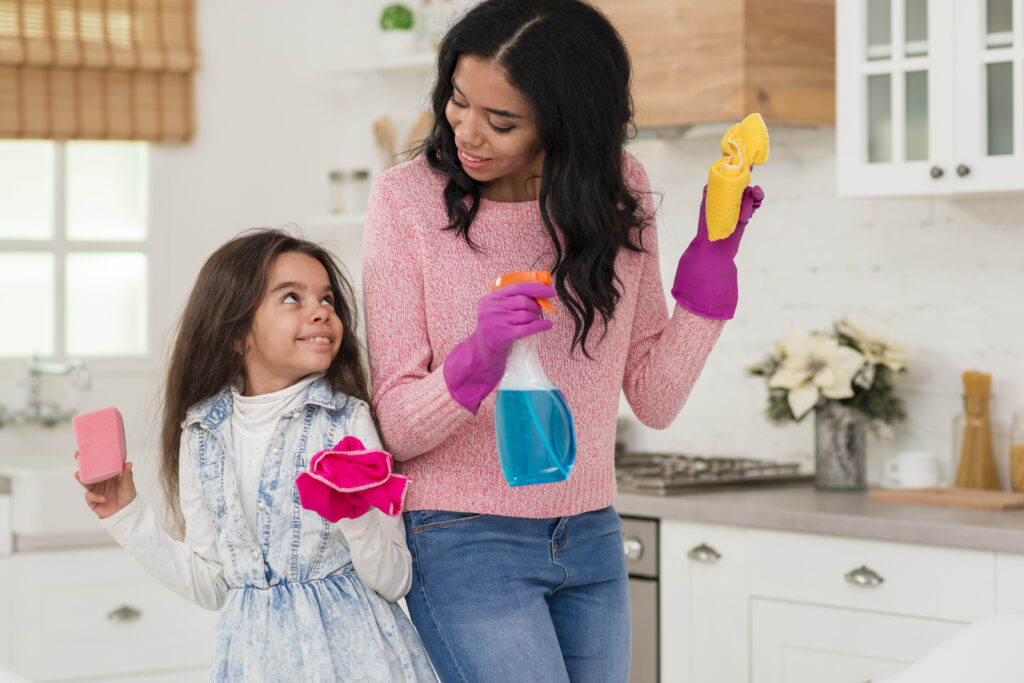
Here are 10 practical and meaningful parenting strategies to lead by example with both younger and older children.
1. Be consistent with Your Words and Actions
Kids instantly notice inconsistencies. Avoid saying one thing and doing another. When your behaviour aligns with your words, they silently observe and learn.
Parenting tips for toddlers and teens:
If you tell a toddler to share but don’t share yourself, or you expect a teen to keep promises while breaking your own, the message gets lost.
2. Show Calmness During Stress
Manage your anger, frustration, and disappointment gently. When you manage emotions instead of exploding, you teach them resilience, emotional intelligence and patience.
Parenting by modelling behaviour:
Toddlers learn emotional control by watching you. Teenagers learn problem-solving through your reactions.
3. Speak Respectfully to Everyone
Your tone teaches more than your rules. Speak kindly, listen attentively and respond politely- whether it’s with your child, a waiter, or a stranger.
Positive parenting strategies:
Kids copy behaviour more than instructions. Respect shown consistently shapes toddlers into gentle souls and teenagers into empathetic young adults.
4. Live the Habits, You Want Them to Follow
Children follow routines they see at your home. Your habits become their reference point.
Parenting by modelling behaviour:
If you want them to:
read more → let them see you reading
stay active → show your own fitness routine
limit screens → control your own screen time
Habits are absorbed, not imposed.
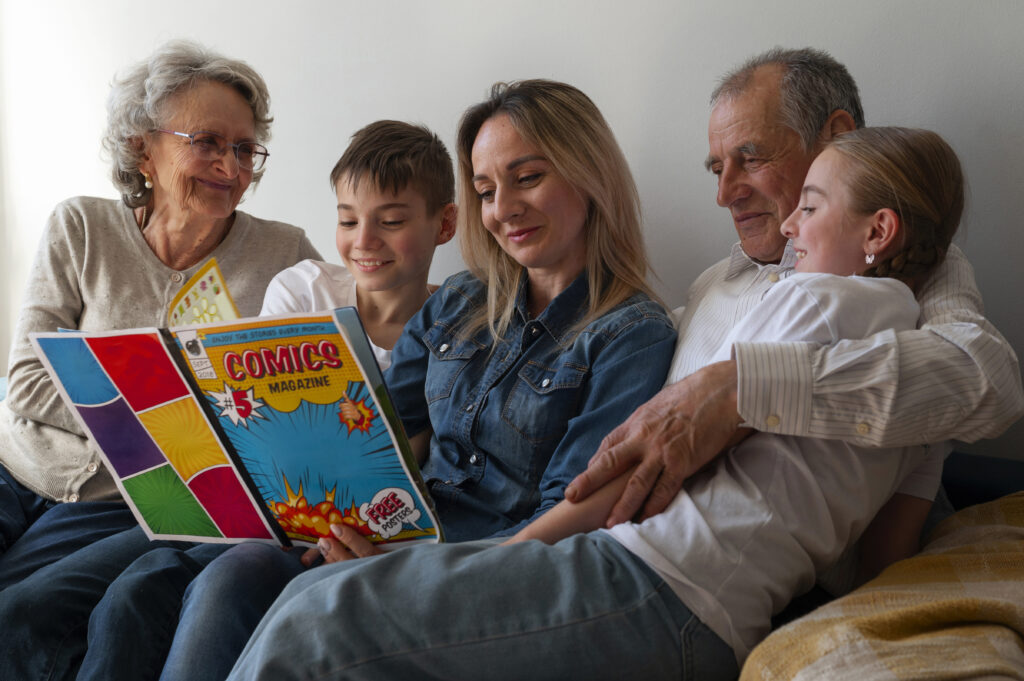
5. Apologize When You are Wrong
A simple “I’m sorry” from a parent, teaches humility better than a hundred lectures.
Lead by example parenting:
A simple “I’m sorry” teaches humility and maturity. Toddlers learn honesty and teenagers learn accountability. It shows them that making mistakes is human—but correcting them is strength.
6. Demonstrate Responsibility, don’t Just Preach It
Taking responsibility should become a natural habit, not a forced rule.
Parenting by modelling behaviour:
Instead of telling teens to be responsible or expecting toddlers to clean up, let them see you take charge-Pay bills on time, clean up yourself, complete tasks, follow routines, keep commitments. Let your actions show what responsibility looks like.It sets a natural expectation for children to do the same.
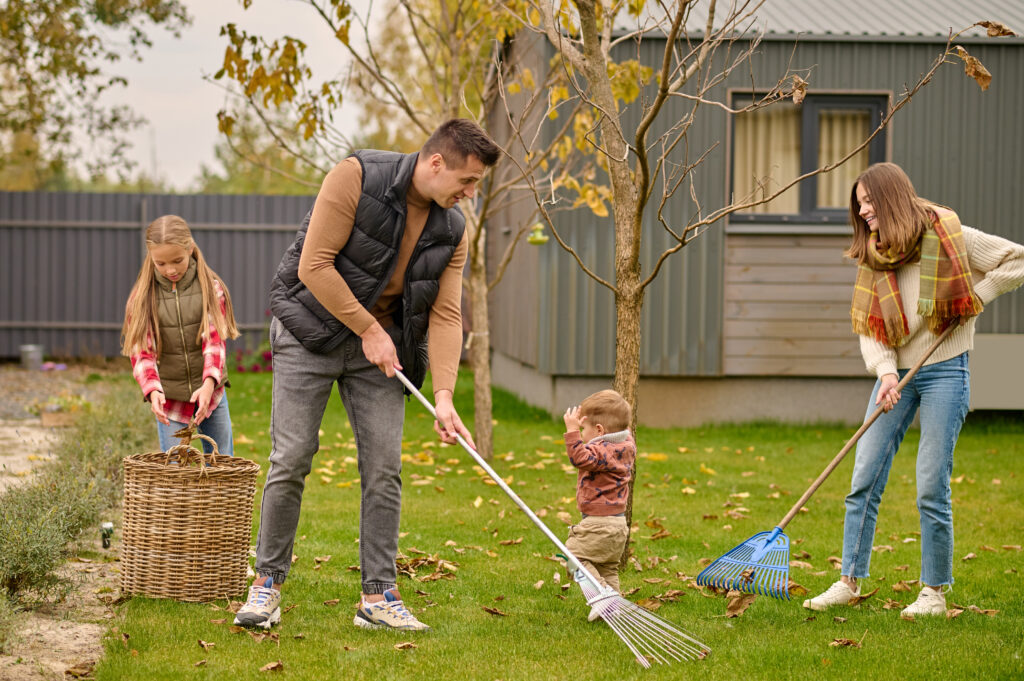
7. Model Healthy Digital Behaviour
Children- of all ages-mirror your digital habits more than you realize.
Lead by example parenting:
Put your phone away during meals, conversations, and family time. Kids copy your relationship with gadgets more than you realize.
8. Stay Curious and Keep Learning
Let your child see you read, question, explore, and improve yourself. Show them that growth never stops.
Positive parenting strategies:
A toddler becomes curious when they see your excitement for small discoveries, and a teen becomes self-motivated when they see you pursue growth. A curious parent raises confident, self-motivated children.
9. Practice Kindness in Daily Life
Hold the door for someone, speak gently, help a neighbour or simply say “thank you” often. These micro-behaviours shape their emotional foundation and social character.

Parenting by modelling behaviour:
These small gestures teach toddlers gratitude and teach teenagers compassion, both of which shape their character for life.
10. Live the Values You Want to Instil
Integrity, honesty, discipline, gratitude, empathy, time management—these values are not taught through lectures. They are taught through your daily actions, your decisions and how you treat others.
Lead by example parenting:
These values must be lived daily in front of children. When children witness values practiced daily, they internalize them naturally.
Happy Parenting Tip: Lead by Example, Not by Advice
Parenting is less about preaching and more about modelling. Toddlers follow your steps. Teenagers observe your principles. When you lead by example, not by advice, your behaviour becomes their lifelong guide- and that is the most powerful form of teaching.
Your small, consistent and gentle actions can shape confident, responsible, and emotionally intelligent young individuals—because they learnt from the example you lived.
Call To Action:
Do you agree with this post? Share it with friends and family or leave a comment below what ways you adopt to lead by example, not by advice to make your child follow you as your role model.