What Are Parental Anxiety Triggers
Although parenting is deeply fulfilling, it often carries an invisible weight of worry. Parents’ concern about a child’s health, academic performance, behaviour and future can slowly turn into persistent stress. This persistent stress can take the form of anxiety which starts affecting the mental well-being of both the parent and the child alike.
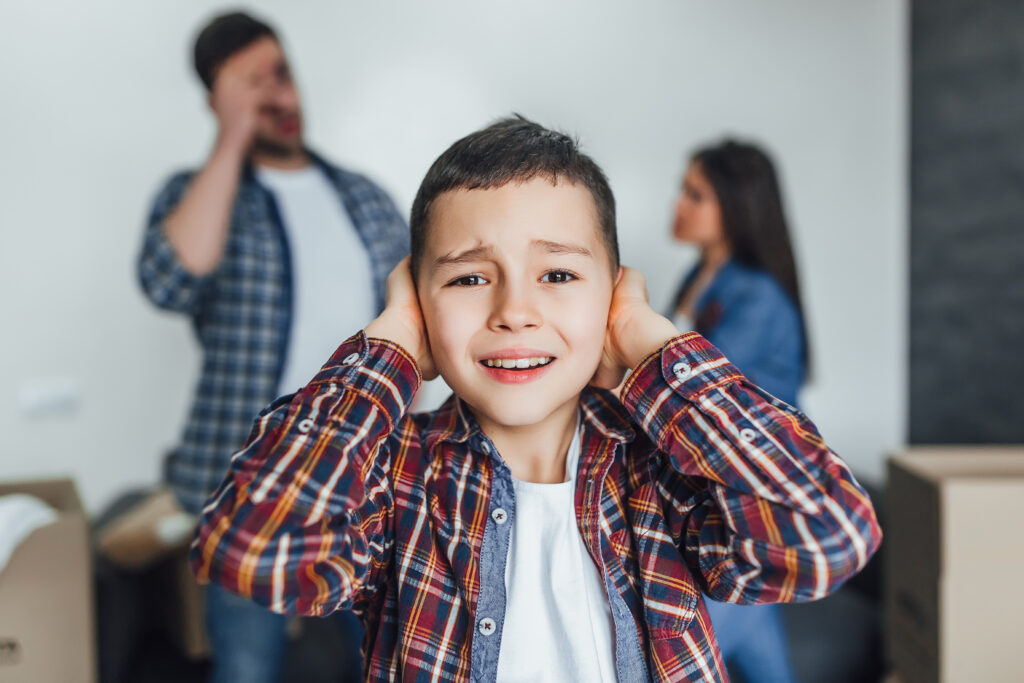
From academic pressure and screen time to health, safety, and social comparisons, parental anxiety triggers are everywhere. often parents start over stressing on any of these triggers which further makes the situation even more stressful and difficult. An over stressing parent can be emotionally damaging for the child, even though he or she is behaving so just out of deep concern for his/her child. Sometimes parental anxiety takes extreme form and may reflect as fear and hatred in the child’s behaviour. If you’ve ever found yourself lying awake at night worrying about your child’s future, you’re not alone.
Here is the good news, “Parental anxiety can be managed”. With awareness, emotional regulation, and small mindset shifts, you can regain control and create a calmer, healthier environment for both you and your child.

10 effective ways to manage parental anxiety triggers and control them with confidence.
1. Identify Your Personal Anxiety Triggers as a parent
Every parent experiences stress differently. The first step is awareness. Ask yourself: What situations make me anxious? Is it exams, peer pressure, health, behaviour, or social media comparisons? Once you name your triggers, they lose some of their power. Anxiety thrives in vagueness—clarity brings control.
2. Separate Real Concerns from Fear-Based Thinking
Not every worry requires action. Many parental fears are future-based assumptions rather than present realities. Ask yourself whether the issue is happening now or is rooted in future uncertainty. This simple mental check can significantly reduce anxiety.
3. Stop Comparing Your Child (and Yourself)
Comparing your child’s growth or achievements with others and also constantly comparing them with your own childhood struggles and achievements, is a major source of parental stress. Moreover, social media and societal pressure often fuel parental anxiety. Parents must remember that every child grows at their own pace.
So always remember: Comparison steals joy. Your child’s journey is unique. Focus on progress, not perfection.
4. Regulate Your Own Emotions First Before Responding
Children absorb parental emotions quickly. When anxiety spikes, pause before reacting.
Try: Deep breathing (inhale 4 seconds, exhale 6 seconds)
Stepping away for a moment
Naming your feeling silently: “I’m feeling anxious, not powerless.”
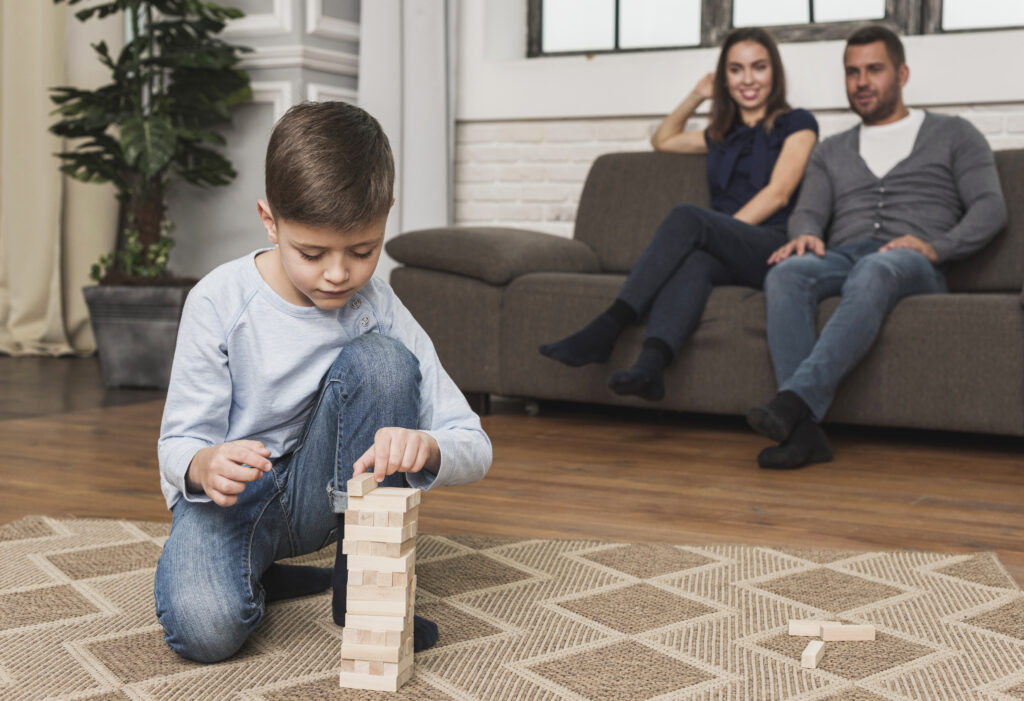
Always remember calm parents raise emotionally secure children.
5. Set Healthy Information Boundaries
Constant exposure to news, parenting reels, and unsolicited advice can heighten anxiety.
So, try to Limit: Doom scrolling, Over-researching symptoms, Conflicting parenting opinions
Choose quality information over quantity.
6. Focus on Connection Instead of Control
Anxiety often pushes parents to micromanage. Instead, build trust and communication. Listen without rushing to fix. Validate feelings instead of dismissing them. Building trust, listening without judgement and validating emotions strengthen connection and reduce emotional tension in the parent-child relationship. So, building connection reduces anxiety—for both parent and child.
7. Concentrate on What You Can Control
You cannot control outcomes, but you can control: Your response, Your consistency, Your support system. So, parents should shift their energy from worry to purposeful action.
8. Take Care of Your Physical Well-being
An anxious mind often lives in an exhausted body. Prioritize: Adequate sleep, Nutritious meals, Gentle movement (walks, yoga) Self-care is not selfish—it’s emotional maintenance.
9. Reframe Guilt-Based Parenting Thoughts
Guilt quietly intensifies anxiety. So, try to replace self-critical thoughts with compassionate affirmations.
Thoughts like “I’m not doing enough” or “I should be better” fuel anxiety.
Replace them with: “I’m learning.” “I’m doing my best.”
10. Seek Support Without Shame When Anxiety Feels Overwhelming
Talking to another parent, counsellor, or support group can be incredibly grounding. Remember: Asking for help is strength. You don’t have to carry everything alone. Mental well-being is part of good parenting. Talking to trusted individuals or professionals provide clarity and reassurance. Seeking help is a proactive step towards healthier parenting, not a sign of weakness or shame.
Happy Thoughts
Parental anxiety stems from love and responsibility, but it does not need to dominate daily life. By recognizing parental anxiety triggers and responding mindfully, parents can create a calmer emotional environment that supports both their well-being and their child’s growth.
So, being Calm is a skill—and it can be learnt.
Call to Action
If this blog resonated with you, take a moment today to pause, breathe, and reflect on one anxiety trigger you’re ready to release.
Do share this post with a fellow parent who might need reassurance.
Subscribe to our blog for more mindful parenting tips, emotional well-being insights, and real-life parenting support.
Because healthier parents raise happier children.
Frequently Asked Questions (FAQs) About Parental Anxiety Triggers
1. What are parental anxiety triggers?
Parental anxiety triggers are situations, thoughts, or experiences that cause stress or worry in parents. These may include concerns about a child’s academic performance, health, safety, behavior, social acceptance, or future success.
2. Is parental anxiety normal?
Yes, parental anxiety is very common. Worry often comes from love and responsibility. However, when anxiety becomes constant or overwhelming, it is important to address the triggers and develop healthier coping strategies.
3. How can parents control anxiety triggers without affecting their child?
Parents can manage anxiety by identifying triggers, regulating their emotions before reacting, setting healthy boundaries around information intake, and focusing on connection rather than control. Practicing self-care and mindful responses helps prevent anxiety from transferring to children.
4. Can parental anxiety affect a child’s emotional well-being?
Yes, children are sensitive to parental emotions. Unmanaged anxiety can increase a child’s stress levels. When parents handle anxiety calmly and consciously, children feel more emotionally secure and confident.
5. When should parents seek professional help for anxiety?
Parents should consider professional support if anxiety interferes with daily functioning, sleep, relationships, or decision-making. Seeking help early promotes emotional resilience and healthier parenting.